Table of Contents
Introduction
Fu tea (also known as Fuzhuan brick tea) is a unique type of post-fermented dark tea from China, celebrated for its rich, earthy flavor profile and the iconic "golden flower" fungus (Eurotium cristatum) that forms during its natural fermentation process. Whether you're preparing loose leaf Fu tea or a compressed Fu brick, mastering the brewing method is key to unlocking its full aroma, taste, and potential wellness benefits.
This guide will walk you through traditional and modern brewing techniques, along with tips to tailor the brew to your preference.
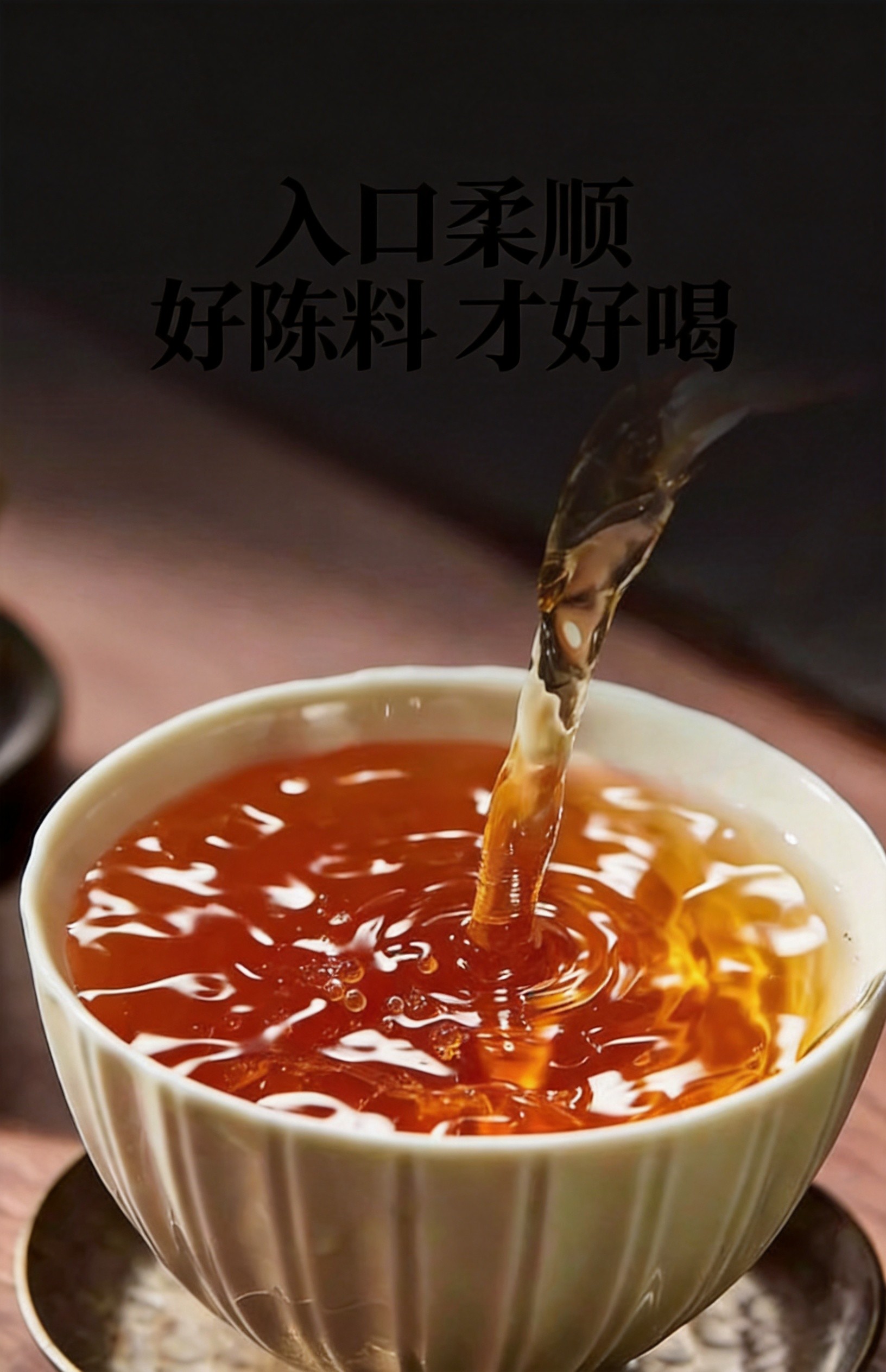
What You'll Need
| Item | Recommendation |
|---|---|
| Tea Type | Loose leaf Fu tea or compressed fu brick tea |
| Water | Filtered or spring water (avoid tap water with heavy chlorine) |
| Temperature | 95–100°C (203–212°F) – boiling water works perfectly |
| Tea-to-Water Ratio | 3–5 grams of tea per 150–200 ml (5–7 oz) of water |
| Vessels | Gaiwan (lidded bowl), Yixing clay teapot, glass teapot, or even a French press |
Method 1: Traditional Gongfu Style (For Loose Leaf & Fu Brick)
This method highlights the layered flavors of Fu tea, ideal for tea lovers who want to experience its depth.
1. Prep the Tea
- If using a compressed Fu brick, gently break off 3–5 grams using a tea pick (avoid crushing the leaves to preserve texture).
- For loose leaf, simply measure out the recommended amount.
2. Warm the Vessel
- Pour boiling water into your gaiwan or teapot, swirl it around, then discard the water. This step preheats the vessel to keep the brew at the right temperature.
3. Rinse the Tea
- Add the tea leaves to the vessel, pour in boiling water, and immediately pour it out (this takes just 2–3 seconds).
- This quick rinse awakens the leaves, removes any residual dust, and preps them for the first infusion.
4. First Infusion
- Pour boiling water over the leaves, filling the vessel to the brim.
- Steep for 5–10 seconds, then pour the tea into fairness pitchers and cups.
- Fu tea is highly re-infusable; you can brew the same leaves 8–12 times, gradually increasing the steeping time by 5–10 seconds with each round.
Method 2: Modern Western Style (For Everyday Enjoyment)
Perfect for busy mornings or casual sipping, this method produces a smooth, consistent cup with minimal effort.
1. Prepare Your Vessel
- Add 3–5 grams of Fu tea to a teapot, mug with an infuser, or French press.
2. Steep
- Pour 150–200 ml of boiling water over the leaves.
- Let it steep for 3–5 minutes (adjust to taste: longer steeping = stronger, more robust flavor).
3. Strain & Enjoy
- Remove the leaves (or press the plunger on your French press) to stop the brewing process.
- Serve hot, or let it cool for iced Fu tea later.
Method 3: Stovetop Simmer (Traditional Northern Chinese Style)
The oldest and most authentic way to prepare Fu tea — exactly how it was brewed along the silk road for centuries.
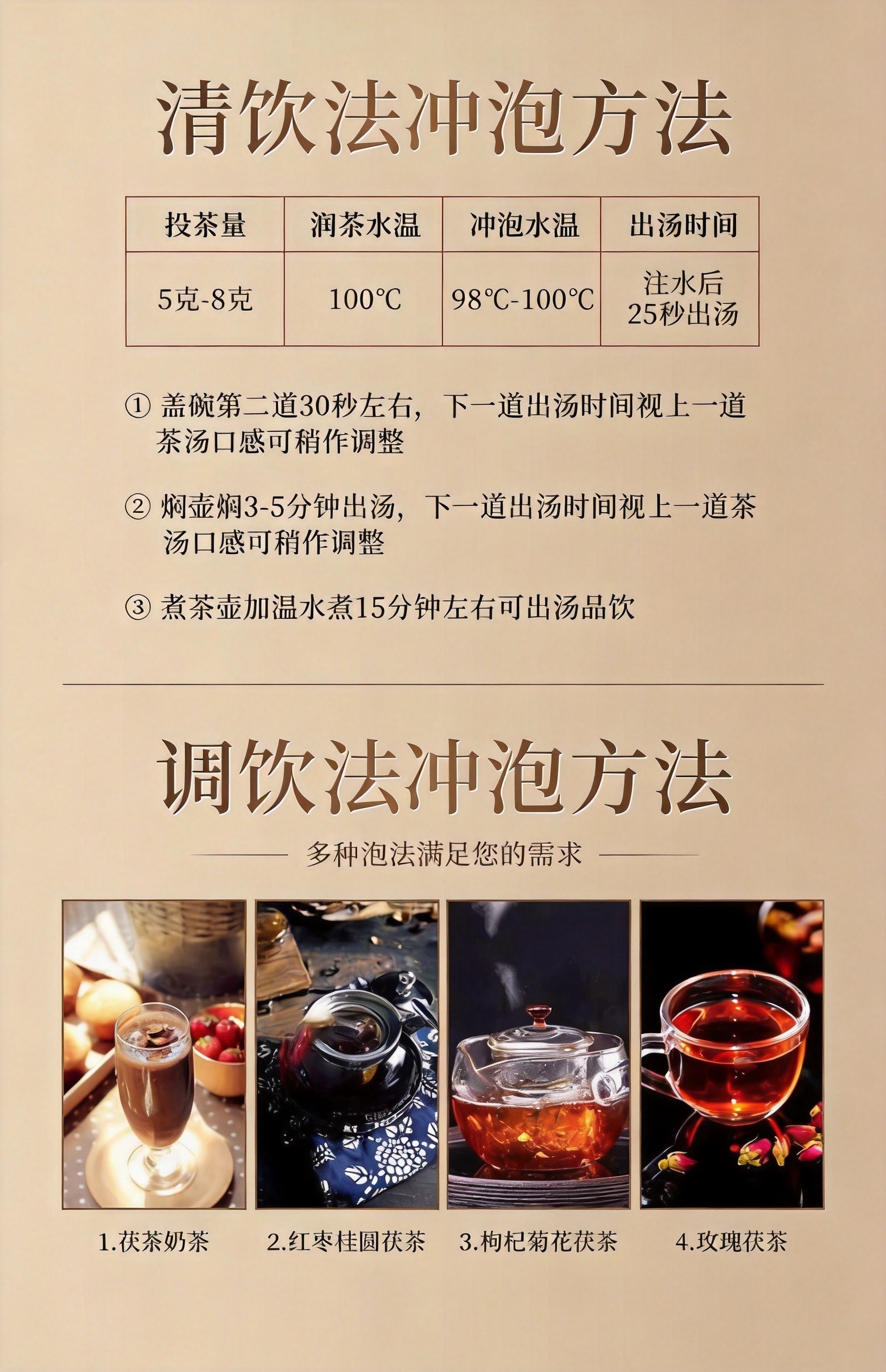
- Add 5–8 grams of Fu tea to 500 ml of boiling water in a small pot.
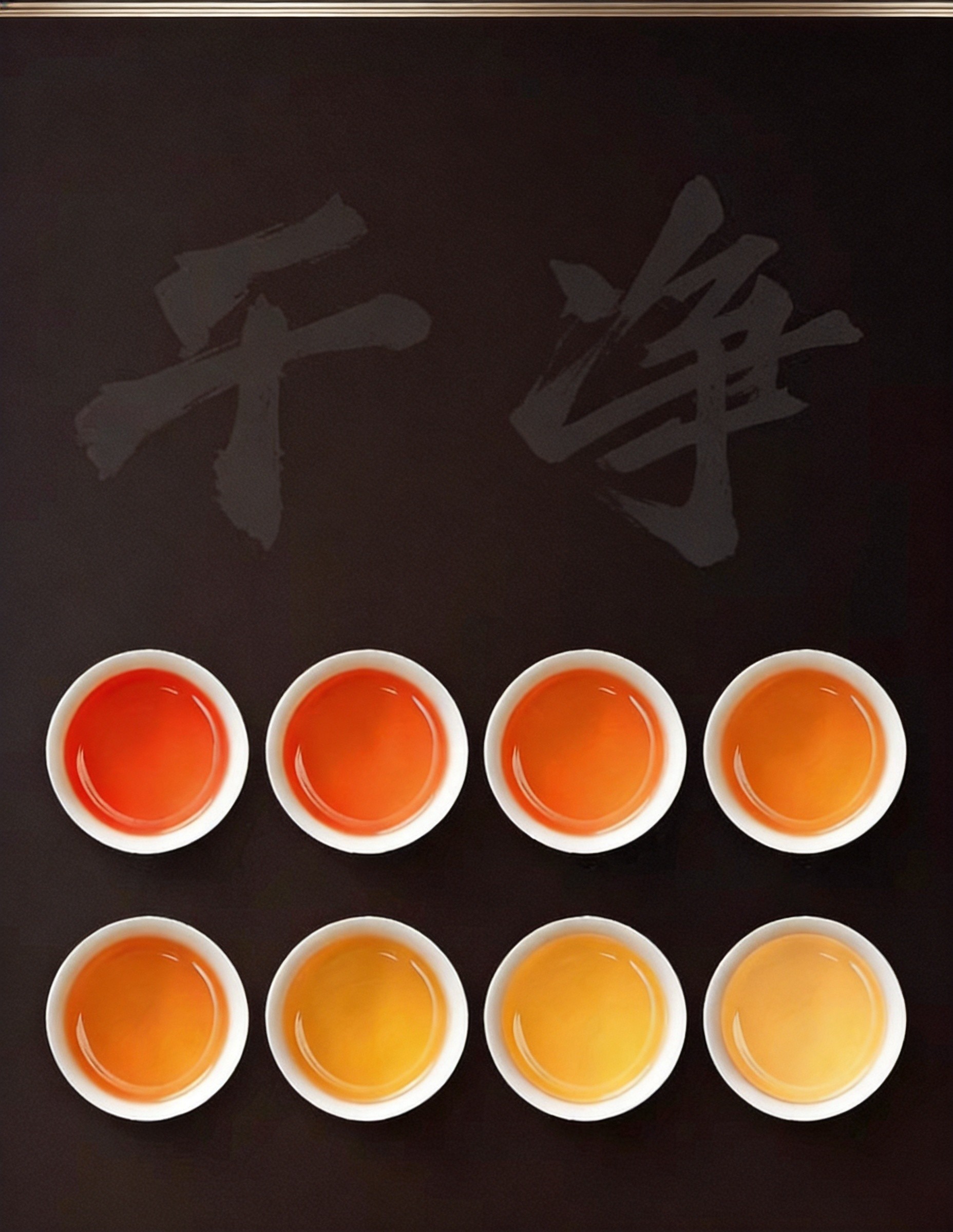
- Simmer on low heat for 3–5 minutes until the tea soup turns deep amber-red.
- Strain into cups and serve. This method produces the richest, fullest flavor.
- Optional: Add a pinch of rock sugar, dried jujube, or goji berries for a traditional Silk Road twist.
Method 4: Cold Brew Fu Tea (For Summer & Hospitality)
Ideal for wellness spas, cafes, or refreshing summer service, cold brew brings out Fu tea's sweet, mellow notes with no bitterness.
- Ratio: 5–7 grams of tea per 500 ml (17 oz) of cold filtered water.
- Steep: Combine tea and water in a sealed glass jar or pitcher. Refrigerate for 8–12 hours (or overnight).
- Serve: Strain the tea into glasses over ice, or keep it chilled for up to 3 days. Pair with a slice of orange or a sprig of mint for a refreshing twist.
Pro Tips for the Perfect Brew
- Don't Oversteep: While Fu tea is forgiving, overly long steeping can lead to a bitter, astringent taste. Start with shorter times and adjust to your preference.
- Water Quality Matters: Soft, filtered water will bring out the tea's natural sweetness and aroma far better than hard tap water.
- Look for the Golden Flower: When brewing a high-quality Fu brick, you may notice tiny golden particles in the brew — that's Eurotium cristatum, the beneficial probiotic unique to Fu tea. It's completely safe and contributes to the tea's distinctive flavor and wellness properties.
- Reuse Your Leaves: Even after multiple infusions, Fu tea leaves can be used for a second cold brew or added to a bath for a relaxing, tea-infused soak.
- Store Properly: Keep Fu tea in a cool, dry place away from strong odors to preserve its unique flavor profile.
Final Notes
Whether you're brewing for personal enjoyment, hospitality service, or sharing with clients, Fu tea's versatility makes it a wonderful addition to any tea routine. With a little practice, you'll find the perfect method to suit your taste and lifestyle.
For wholesale clients, our team is also available to provide custom brewing guides for your business or hospitality use.
Curious about sourcing the right Fu tea for your brewing needs? Explore our Wholesale Fu Tea Buying Guide for quality grades, pricing benchmarks, and supplier evaluation criteria. Or learn about traditional and modern brewing methods in our previous article.
Interested in Sourcing High-Quality Fu Tea?
Explore our Wholesale Fu Tea Sourcing Guide or contact us today to request samples.
Wholesale Sourcing Guide